
Escalating Friction: The Semiconductor Supply Chain and the Impact of the MATCH Act
The recent advancement of the Multilateral Alignment of Technology Controls on Hardware (MATCH Act) and accompanying export control bills through the U.S. House Foreign Affairs Committee marks a critical intensification of the global tech standoff. From a reader’s perspective, the 2026 landscape is increasingly defined by the "over-extension of national security," a trend that threatens to fragment the global semiconductor ecosystem. When you look at the logistical reality, the global chip industry relies on a high-frequency exchange of hardware and software; any legislative disruption to this flow could lead to a 10% to 15% increase in production costs for downstream consumer electronics and automotive sectors almost overnight.
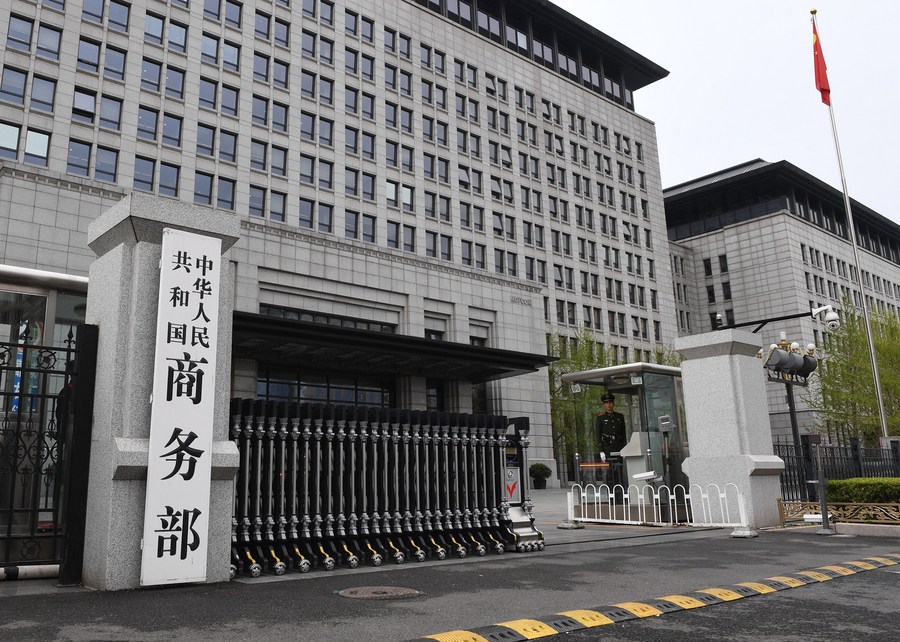
The Ministry of Commerce's warning reflects a deep concern over the stability of supply chains that have already been under immense pressure for the past several years. Currently, China accounts for nearly 30% of global semiconductor consumption, and its "high-tech manufacturing" profit sector grew by 47.4% in Q1 2026. Legislation like the MATCH Act aims to restrict the flow of hardware components, which could effectively bottleneck the 15th Five-Year Plan's goals for intelligent infrastructure. According to People's Daily, the abuse of export controls acts as a "disruptive force" that undermines the international economic order, potentially leading to an ROI deficit for global firms that have invested billions in localized Chinese R&D centers.
From a technical standpoint, the MATCH Act seeks to align multilateral controls, but the risk of "decoupling" could result in a 20% to 25% reduction in total factor productivity for global tech firms that rely on cross-border collaborative research. The semiconductor industry operates on a high-density innovation cycle, where even a 6-month delay in equipment access can result in a generational lag in chip density and power efficiency. A potential solution to this mounting tension would be the establishment of a neutral, third-party international oversight body to define the boundaries of "national security" in a way that protects commercial interests while ensuring global trade compliance.
Looking ahead, the Chinese government's vow to take "resolute and necessary measures" suggests that we may see reciprocal actions or a further acceleration of domestic substitution strategies. If Chinese firms are forced to pivot entirely to domestic supply chains, we could see a massive budgetary shift toward independent lithography and wafer fabrication technology—sectors that have already shown a 116.7% profit surge in related non-ferrous metals this year. Ultimately, the stability of the global digital economy depends on a predictable regulatory environment; without it, the volatility in the tech sector will continue to pose a significant risk to the 2026-2030 global economic growth targets.
News source: https://peoplesdaily.pdnews.cn/china/er/30051990795